Introduction: The Bright Side of Enamel Paint
Enamel paint is a popular choice for many architectural design projects. Enamel paints are durable and have a glossy finish.However, like any product, enamel paint also has its downfall. By learning about its drawbacks, you can avoid issues.
Enamel paint drying time and other drawbacks must be considered. By knowing about them ahead you will be able to deal with the issues effectively.
So, let us dive deeply into the matter and find out more about enamel paint. It will help us enhance our painting experience during interior works.
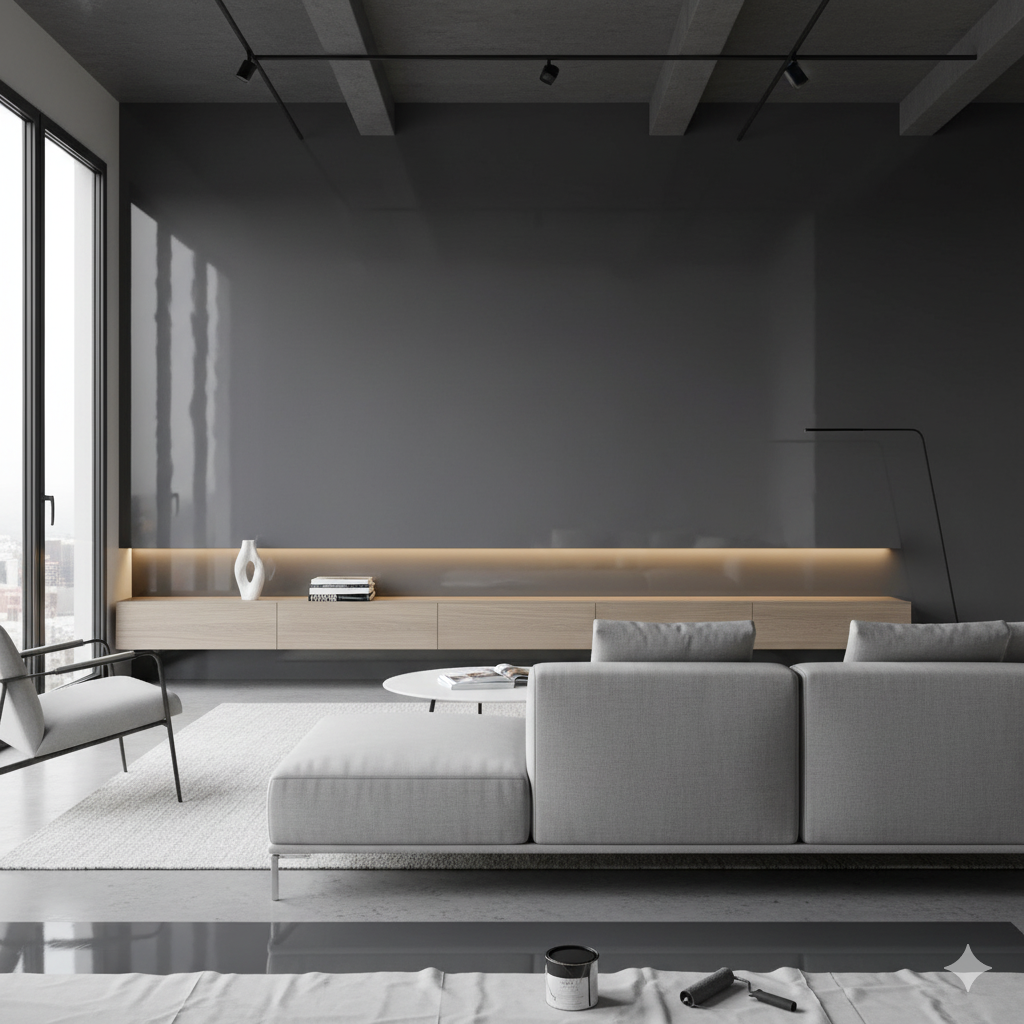
Common Drawbacks of Enamel Paint: What to Watch Out For
Enamel paint has a strong odour. It can be disturbing to some people who are not used to it. During enamel paint application, there is a strong trail.Hence, staying on site while enamel paint is being used can be difficult. People who are sensitive to smell can face more problems during the application of the interior walls.
Apart from that, the paint takes a long time to dry. Additionally, proper drying needs adequate ventilation. Overall, it can extend the time required to complete the architectural project.
Enamel paint is an oil-based paint. Due to the oil properties, sometimes it is difficult to clean.
However, if regular cleaning does not work, you can find cleaning agents on the market. Find the ones that are most effective on the enamel paint surface. So, if you are choosing enamel paint, it is important to keep these two factors in mind.
The Price Factor: Is Enamel Paint Worth the Investment?
So, if enamel paint has those drawbacks, why choose enamel paint? It is because its benefits cover the problems that come with it.We have covered an entire blog on the benefits of enamel paint. There, you can find out why it is a suitable option for architectural spaces.
Enamel paint lasts longer compared to other paints. It saves money in the long run with a lower frequency of repainting.
Apart from that, it has a fine finish, so you get the desired final look. Overall, it makes it the perfect choice for the interior.
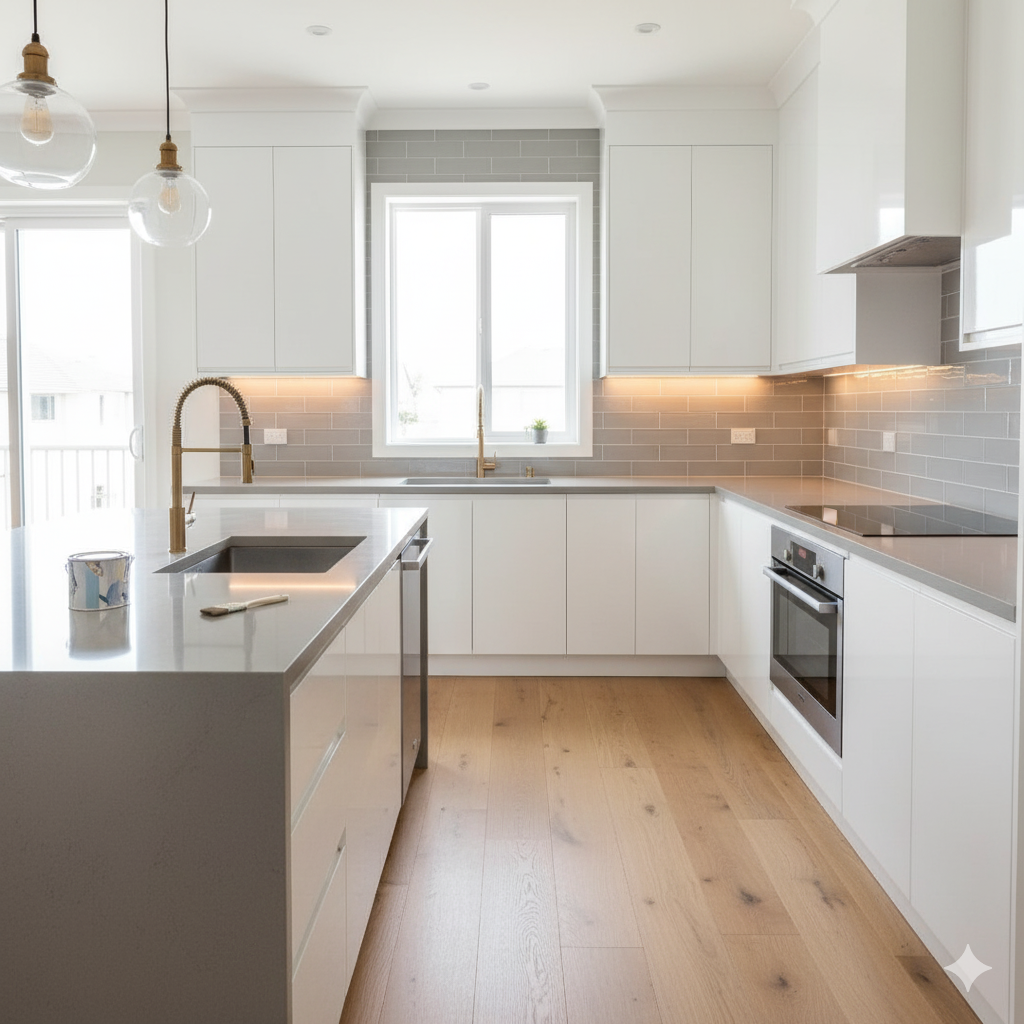
Curing Time: Patience is Key for Beautiful Results!
Once you’ve decided to use enamel paint for your project, get ready to exercise a little patience! One of the drawbacks of enamel paint is its longer curing time compared to other types of paint. While it may take longer to dry completely, the result is well worth the wait. Allowing ample time for enamel paint to cure will ensure a durable, glossy finish. It can withstand everyday wear and tear.So, embrace the waiting time for enamel paint to dry. Then you can admire the stunning outcome. Remember, good things come to those who wait!
Application Challenges: Tips for a Smooth Painting Experience
Now, let us discuss another problem with enamel paint. Application of the paint can also pose some challenges. However, we will find a way out of this issue as well.Fear not! With a few expert tips and tricks, you can breeze through the painting process with ease. One of the tricks is to use the right brush and roller for enamel paint. Let us examine the matter thoroughly.
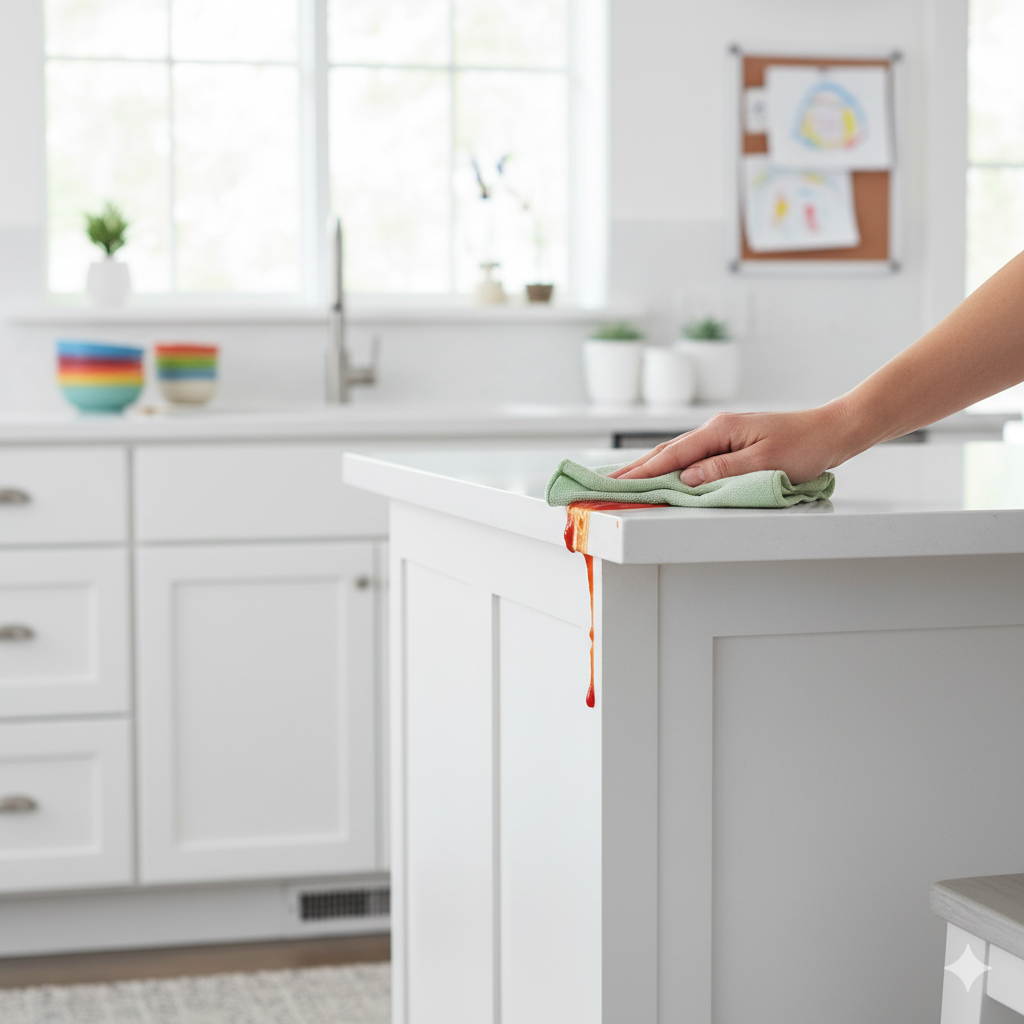
Environmental Impact: Understanding the VOC Issue
One more thing you need to understand about enamel paint is that it contains a volatile liquid. Although it has a lustrous finish, it can affect air quality.This can be counted as air pollution. However, there are types of enamel paint with low volatile organic compounds (VOC). We can easily switch to those if we like enamel paint. These paints are eco-friendly, and hence, we get all the benefits without the drawbacks. Similarly, we can choose other interior design paints that prioritize sustainability
Conclusion: Weighing the Pros and Cons of Enamel Paint
As we can see, enamel paint has its negatives and positives. But now we know how to tackle the drawbacks of enamel paint.So, we can enjoy the advantages of enamel paint without worrying about any issues related to it. We will soon share more details about the architectural design. Stay connected with us for the upcoming post.
